
"to be in the country"
40000 article(s) found

Nespresso and South Sudanese coffee growers make progress in rebuilding the coffee industry
Lobsang, Switzerland / PRNewswire-Asianet /-- despite continuing conflicts, coffee growers in South Sudan have made progress in reviving the country's coffee industry. After their hard work and hard work, Nespresso limited edition Grand Cru SULUJA ti South Sudan* will be available in five new countries later this month, compared with the previous launch.

Introduction to coffee flavor of Nicaraguan coffee-producing countries with poor economic foundation
Nicaragua is one of the poorest countries in Central America. Due to its poor economic foundation, the coffee industry is still relatively backward, while coffee farmers are in extreme poverty. Fortunately, Nicaraguan coffee has received some foreign aid funds to improve the quality of its coffee. Coffee from Madagelba, Sinodega and Segovia in Nicaragua is very popular.
Common sense of Coffee Culture in the way people drink Coffee in various countries
People all over the world drink coffee in different ways, but if you ask how many ways to drink coffee, I'm afraid no one can tell. It can be said that there are many ways to drink coffee in as many countries as there are in the world. 1/3 people in the world drink coffee, but it seems that no two countries drink coffee in the same way. People in Arab countries

Wen Runping and Salvadoran coffee flavor and taste characteristics of the manor introduction to Mercedes Manor
El Salvador's coffee accounts for 40% of the country's exports, and it is usually picked in November, December and January-March of the following year. The export of raw beans lasts almost all year round. Coffee is produced in seven of the country's 14 provinces, with the largest number in the northwestern provinces of chalatenango and santa ana. The coffee produced in El Salvador is 100% Arabica, of which 68% is

Unique strong Fenghuang Manor Coffee Bean planting situation, Geographic location, Climate and altitude
Other kinds of Brazilian coffee, such as Rio and Parana, can be produced in large quantities because they do not require too much care. Although the taste is rough, it is a kind of high-quality and inexpensive coffee, which has its own standards because it is distributed all over the country and its solid quality varies (NO.2NO.8 according to the number of sundries, NO.13NO.19 according to the size of beans, six grades according to taste).
Costa Rican coffee Costa Rican coffee flavor Costa Rican origin
The coffee beans produced in the high latitudes of Costa Rica are famous in the world, full-bodied, mild in taste, but extremely sour. The coffee beans here have been carefully processed, which is why they have high-quality coffee. Tarasu, located in the south of SanJos, the capital of Costa Rica, is one of the most valued coffee growers in the country. Tarasu (
Description of the flavor of Rwandan coffee with "grass aroma" flavor
Rwandan coffee is absolutely high quality in the form of washed Arabica beans. As far as Africa is concerned, its coffee industry stands out because the country rises and falls by producing the best possible beans. The taste of Rwandan coffee is described as a grassy aroma with tropical climate characteristics. The country's fertile soil and climate help plants grow, and coffee trees seem to be driven

Rwanda Fine Coffee Grade Cup Flavor testing American Aid Program USAID
The taste of Rwandan coffee is described as a grassy aroma with tropical climate characteristics. The country's fertile soil and climate help plants grow, and coffee trees seem to be driven or forced upward, or because they grow too fast to produce the best coffee beans. But in any case, the soft and full-bodied taste of the country's coffee is great. On the package

Introduction to the variety characteristics of coffee grindability treatment in Renas Manor of El Salvador with smooth entrance
El Salvador's coffee accounts for 40% of the country's exports, and it is usually picked in November, December and January-March of the following year. The export of raw beans lasts almost all year round. Coffee is produced in seven of the country's 14 provinces, with the largest number in the northwestern provinces of chalatenango and santa ana. The coffee produced in El Salvador is 100% Arabica, of which 68% is

Introduction of Uganda Coffee grading Uganda Manor and description of its Flavor characteristics
Uganda, located at the source of the Nile, is a landlocked country in Africa that does not rely on the sea. Although Uganda has a long history of producing coffee like other East African countries, the quality of coffee has never been improved because of the war caused by ethnic antagonism. Most of the good coffee is grown in areas adjacent to Kenya, and some good coffee beans are shipped to Kenya to be sold as Kenyan coffee until the war stopped 15 years ago.

Introduction to the characteristics of Mercedes Manor with moderate Sweet and sour El Coffee Bean Flavor
El Salvador's coffee accounts for 40% of the country's exports, and it is usually picked in November, December and January-March of the following year. The export of raw beans lasts almost all year round. Coffee is produced in seven of the country's 14 provinces, with the largest number in the northwestern provinces of chalatenango and santa ana. The coffee produced in El Salvador is 100% Arabica, of which 68% is
A single cup of coffee sold in the world under the name of a country.
Coffee was first introduced to Colombia in 1808 when it was brought by a priest from the French Antilles via Venezuela. Today, the country is the second largest producer after Brazil, with an annual output of 13 million bags of 60 kg each, while Brazil produces 22 million bags a year. The status of coffee in Colombia can be seen in the following examples-all entering the

Global Coffee producing area-introduction to the characteristics of Rwandan Coffee
Coffee production in Rwanda: there are about 33000 hectares of coffee plantations in Rwanda and 500000 people are engaged in coffee cultivation. With the good natural conditions of high altitude and fertile volcanic soil, the country's fertile soil and suitable climate contribute to plant growth, and coffee trees seem to be driven or forced to grow upward, or because they grow too fast to produce the best coffee beans.

Does Starbucks' Yega Chefe Coffee taste good? Yega Chefe Coffee beans taste good
Professional coffee knowledge exchange more coffee bean information please follow the coffee workshop (Wechat official account cafe_style) Starbucks selected sun Ethiopia Yega Shirley map coffee beans Tmall price per pack of Starbucks: Ethiopia Sun Yega Snow Fei coffee

Boutique Coffee introduction of 53 Coffee producing areas in the World 4
twenty-three. Angola, once a big coffee producer, exported 3.5 million bags of coffee a year in the mid-1970s, 98 per cent of which was Roberts (probably the best in Africa), but total production fell to 200000 bags in 1990. The best brands in Angola used to be Ambriz and Amborm.
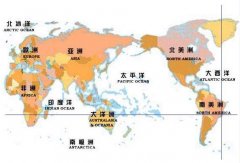
World Map of Coffee beans-introduction of 53 Coffee producing areas in the World
one. Costa Rican coffee has full grains, ideal acidity and unique strong aroma. Tarrazu of Costa Rica is one of the major coffee producing areas in the world. Costa Rica, with its fertile volcanic soil and good drainage, is the first country in Central America to grow coffee and bananas for commercial value. Coffee and

A brief introduction to the unique strong Fenghuang Manor Coffee Bean Variety planting Market Price
Other kinds of Brazilian coffee, such as Rio and Parana, can be produced in large quantities because they do not require too much care. Although the taste is rough, it is a kind of high-quality and inexpensive coffee, which has its own standards because it is distributed all over the country and its solid quality varies (NO.2NO.8 according to the number of sundries, NO.13NO.19 according to the size of beans, six grades according to taste).

El Salvador Coffee Flavor Taste Manor production area introduces the characteristics of El Salvador coffee boutique coffee beans
El Salvador's coffee accounts for 40% of the country's exports, and it is usually picked in November, December and January-March of the following year. The export of raw beans lasts almost all year round. Coffee is produced in seven of the country's 14 provinces, with the largest number in the northwestern provinces of chalatenango and santa ana. The coffee produced in El Salvador is 100% Arabica, of which 68% is
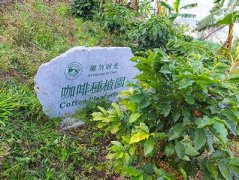
Light and pure sweet Costa Rican Tara beads boutique coffee beans origin development history and culture brief introduction
Coffee was introduced to Costa Rica from Cuba in 1729, and today its coffee industry is one of the most well-organized in the world, producing up to 1700 kilograms per hectare. Costa Rica has a population of 3.5 million, but coffee trees number 400 million, and coffee exports account for 25% of the country's total exports. The volcanic soils of Costa Rica are very fertile and well drained, especially in the central part.
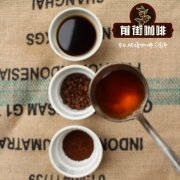
What are the common ways to handle raw coffee beans? What is the difference between solarization and washing? Coffee-producing country
Professional coffee knowledge exchange more information about coffee beans Please follow the common handling methods of raw coffee beans in the coffee workshop (Wechat official account cafe_style). What is the difference between solarization and washing? What is the grading system of raw beans in large coffee-producing countries? 1. Grading: after the seeds are taken out, the seeds are screened and graded, and Guatemala, Costa Rica and other countries are rated according to the planting height.